As you consider the evolving landscape of healthcare technology, the question arises: can wearable tech truly replace traditional medical devices? The integration of wearables into our daily lives has undoubtedly transformed how we monitor health and wellness. Yet, before drawing conclusions, it’s essential to delve deeper into the complexities of accuracy, reliability, and practicality that define the role of each device in healthcare. So, where does the future of medical technology truly lie, and what implications might this have for patient care and treatment strategies?
Advancements in Wearable Technology
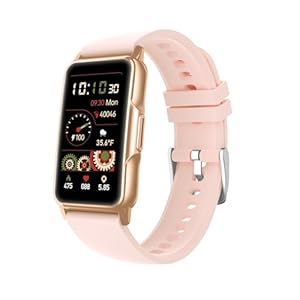
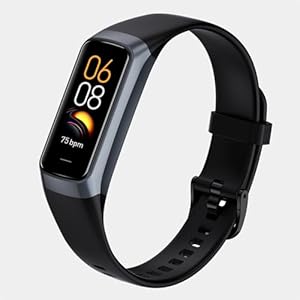
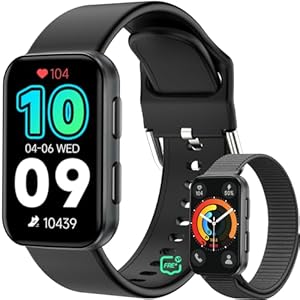
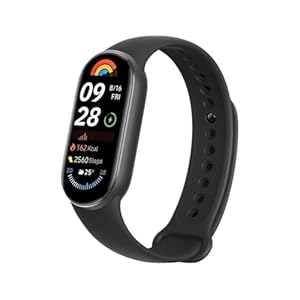
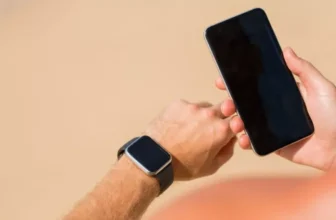
When considering advancements in wearable technology, you’ll notice a significant shift towards more user-friendly and multifunctional devices. These innovations have revolutionized the way we interact with technology on a daily basis. From smartwatches that track your heart rate and steps to fitness bands that monitor your sleep patterns, wearable devices have become essential tools for health and wellness.
The convenience of wearable technology is unparalleled. You can easily access important information about your health and fitness goals right on your wrist. These devices have evolved to offer features like ECG monitoring, blood oxygen level tracking, and even stress detection. With the ability to sync seamlessly with your smartphone, wearable devices provide real-time data and insights to help you make informed decisions about your well-being.
Moreover, the integration of artificial intelligence and machine learning algorithms in wearable tech has enhanced its capabilities. These devices can now analyze your data patterns to provide personalized recommendations for improving your health. As wearable technology continues to advance, the possibilities for its applications in healthcare are limitless.
Current Limitations of Wearable Devices
Moving beyond the advancements in wearable technology, it’s important to address the current limitations of these devices. While wearable devices offer convenience and real-time monitoring, they still have some drawbacks to consider.
One limitation is the accuracy of data collected. Factors like motion artifacts, skin pigmentation, and device placement can affect the precision of measurements, leading to potential inaccuracies in health data.
Moreover, battery life remains a concern for many wearable devices. The need for frequent charging can disrupt continuous monitoring and data collection, impacting the device’s usability.
Additionally, the lack of standardization in data collection and analysis poses a challenge for healthcare providers when interpreting the information received from different wearable devices. This inconsistency makes it difficult to integrate wearable device data into clinical decision-making effectively.
While wearable technology has made significant strides, addressing these limitations is crucial for maximizing their potential in revolutionizing healthcare.
Integration With Healthcare Systems
Integrating wearable technology with healthcare systems enhances patient monitoring and facilitates remote healthcare management. By seamlessly integrating data from wearable devices into healthcare systems, healthcare providers can access real-time information about patients’ vital signs, activity levels, and overall health status. This integration allows for continuous monitoring of patients with chronic conditions, enabling early detection of potential health issues and timely interventions.
Moreover, the integration of wearable devices with electronic health records (EHRs) streamlines the documentation process, ensuring that healthcare providers have access to accurate and up-to-date patient information. This not only improves the quality of care but also enhances communication and coordination among healthcare teams.
Furthermore, wearable technology integration enables telemedicine services, allowing patients to consult with healthcare providers remotely. This is particularly beneficial for individuals in remote areas or those with mobility limitations. Overall, the seamless integration of wearable technology with healthcare systems holds great promise in revolutionizing patient care and improving health outcomes.
Future Outlook and Challenges
Embracing wearable technology in healthcare comes with both exciting possibilities and significant obstacles to overcome. The future outlook for wearable tech in the medical field is promising. Advancements in sensors, data analytics, and artificial intelligence are driving innovation, enabling wearables to monitor health metrics more accurately and provide real-time insights to users and healthcare providers.
However, several challenges must be addressed for wearable devices to fully replace traditional medical tools. One major hurdle is ensuring the accuracy and reliability of the data collected by wearables. Calibration issues, signal interference, and user error can all impact the quality of the information gathered, potentially leading to incorrect diagnoses or treatment decisions.
Moreover, data privacy and security concerns loom large as wearables collect sensitive health information. Safeguarding this data from breaches and unauthorized access is paramount to maintaining patient trust and compliance with regulations like HIPAA.
Despite these obstacles, the integration of wearable technology into healthcare holds immense promise for improving patient outcomes, enhancing remote monitoring capabilities, and revolutionizing how medical care is delivered. By addressing these challenges head-on, the future of wearable tech in healthcare looks bright.
Trending Products